Restaurants are among the most demanding commercial spaces to build. Kitchen systems, health requirements and a fixed opening date leave little room for surprises. Here is the order that keeps a restaurant build-out on track.
1. Confirm the location works
Check that zoning permits a restaurant at the address, and that parking requirements can be met. If the unit was previously retail or office, converting it to a restaurant is usually a change of use, which triggers Building Code review.
2. Read the lease for kitchen infrastructure
- Gas service and capacity, and the route for new gas piping
- Electrical capacity for cooking, refrigeration and HVAC
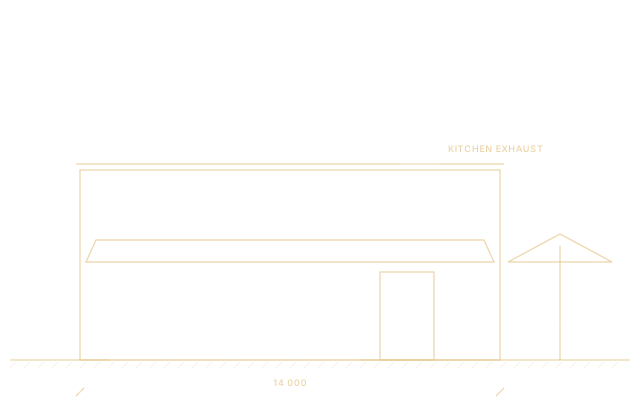
- A path for the kitchen exhaust duct to the roof
- Space and connections for a grease interceptor
- Landlord rules on roof penetrations, odours and after-hours work
3. Design around the menu
The menu drives the kitchen equipment, and the equipment drives exhaust, gas, power, plumbing and refrigeration. Seating drives occupant load, which in turn affects exits, washrooms and barrier-free requirements.
4. Permits
Expect a building permit, often including mechanical work for the kitchen exhaust, and a separate sign permit. Gas work is done by licensed gas technicians, under rules overseen by the Technical Standards and Safety Authority.
5. Kitchen exhaust and fire suppression
Commercial cooking equipment needs a properly designed hood, exhaust ductwork with the required clearances and fire separations, make-up air, and a fire suppression system. These are often the critical path, so order equipment early.
6. Grease management
Municipal sewer-use bylaws require grease interceptors for food service. In Toronto, for example, the Sewers By-law requires food service establishments to install, operate and maintain a grease interceptor, with significant fines for non-compliance.
7. Public health
Under Ontario's Food Premises regulation, operators must notify the local medical officer of health before opening, and premises are inspected by the local public health unit. Plan finishes, sinks and storage so the space is ready for inspection, and remember a trained food handler must be on site during operating hours.
8. Liquor licensing
If you will serve alcohol, you need a liquor sales licence from the Alcohol and Gaming Commission of Ontario. Build its timeline into your opening plan.
9. Final inspections and opening
Building, fire and public health sign-offs come before opening. Leave time for a deficiency walk-through, equipment start-up and staff training.
This article is general information, not legal or professional advice. Requirements change, so confirm details with the relevant authority or your advisors.