When Ontario organizations build new or redevelop public spaces, accessibility is not optional. The Design of Public Spaces Standards, part of the Integrated Accessibility Standards Regulation under the Accessibility for Ontarians with Disabilities Act (AODA), set out what those spaces must include.
What the standards cover
- Recreational trails and beach access routes
- Outdoor public use eating areas, such as picnic areas
- Outdoor play spaces
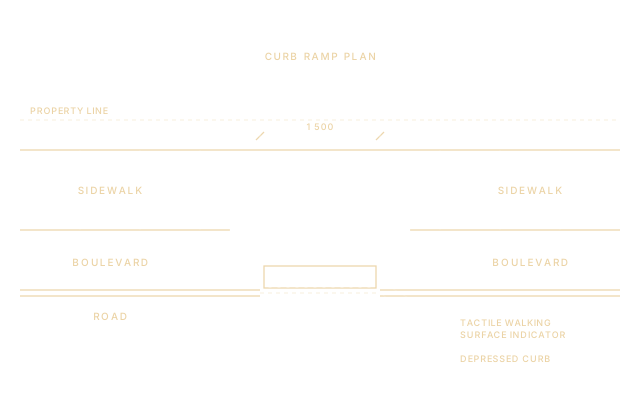
- Exterior paths of travel, including sidewalks, ramps, stairs, curb ramps, depressed curbs and accessible pedestrian signals
- Accessible parking, both off-street and on-street
- Service counters, queuing guides and waiting areas
Who has to comply
The standards apply to the Government of Ontario, the Legislative Assembly, designated public sector organizations such as municipalities and school boards, and many private and non-profit organizations, with requirements that vary by organization type and size. They apply to newly constructed and redeveloped spaces. Existing spaces that are left unchanged do not have to be retrofitted.
Consultation comes first for some spaces
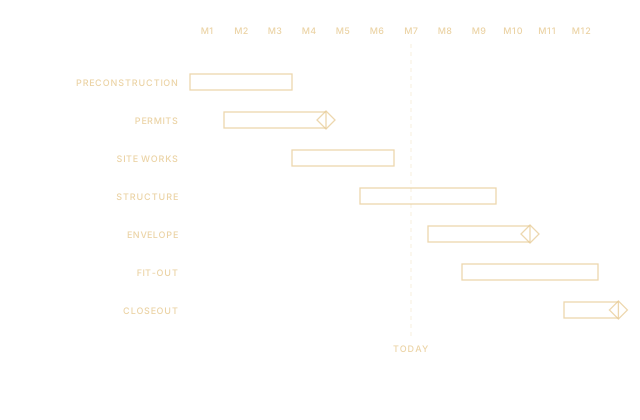
For recreational trails, outdoor play spaces and rest areas along exterior paths, organizations must consult the public and people with disabilities before construction, and municipalities must also consult their accessibility advisory committees where they have one. Build that time into the project schedule.
Details that are easy to get wrong
- Curb ramp slopes and widths, and the placement of tactile walking surface indicators
- Firm, stable surfaces on trails and in play spaces
- Accessible parking space and access aisle dimensions, and signage
- Rest areas along longer exterior paths
- Plans for maintaining accessible elements, which public sector organizations must address
Build what was designed
Accessible design only works if it is built accurately. Small deviations in slope, cross-slope or the position of tactile indicators can make a route non-compliant. We check critical dimensions during construction, not after.
This article is general information, not legal or professional advice. Requirements change, so confirm details with the relevant authority or your advisors.